21321321
Get Dumpster Now21321321
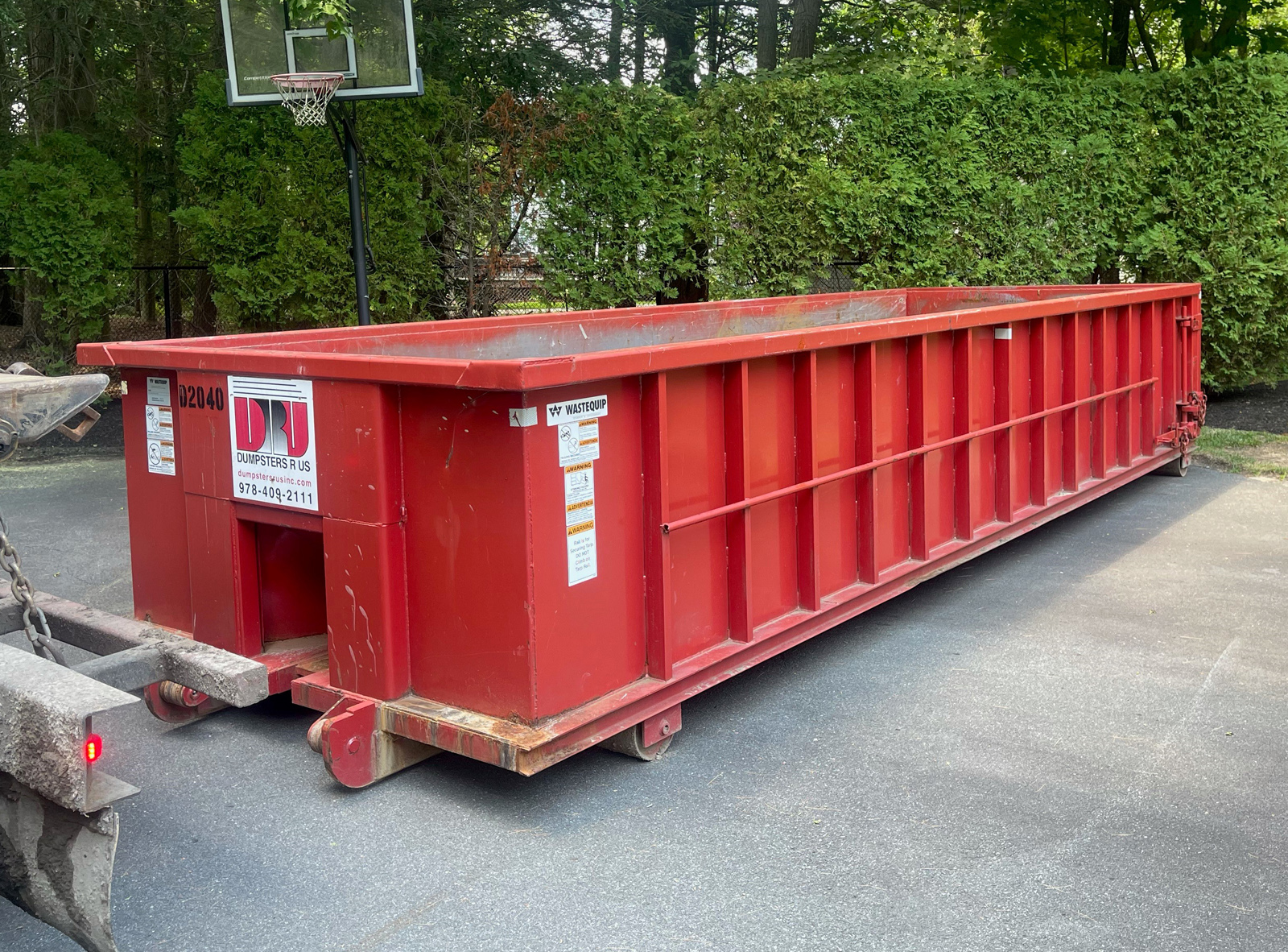
Garbage Dumpster rental
Get Same-Day Affordable Roll-Off Garbage Dumpster Rentals for Home, Construction, or Cleanouts
Dumpster Sizes
Common Container Sizes
Please note that available sizes may vary depending on your location.

2 kitchen bags
4 kitchen bags
7 kitchen bags

10 large bags
20 large bags
30 large bags
40 large bags
60 large bags
80 large bags

Holds: 4 pickup loads
Holds: 5 pickup loads
Holds: 6 pickup loads
Holds: 8 pickup loads
Holds: 14 pickup loads
Holds: 16 pickup loads


Our Dumpster Options for New York
Dumpster size guide
10 Yard Roll Off Container
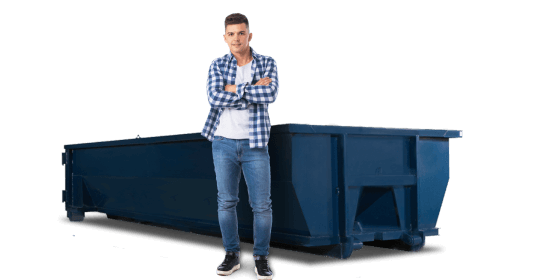
Dimensions: 14’ L x 7.5’ W x 3.5’ H
Holds: 4 pickup loads
Perfect for home cleanouts (fits in most driveways)
12 Yard Roll Off Container
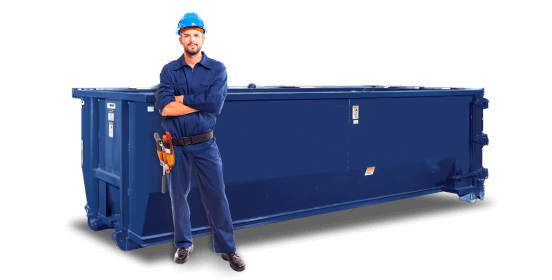
Dimensions: 14' L x 8" W x 3'5" H
Holds: 5 pickup loads
Perfect for small home renovation projects, or moderate-sized cleanouts.
15 Yard Roll Off Container

Dimensions: 16' L x 7.5" W x 4'5" H
Holds: 6 pickup loads
Perfect for home cleanouts (fits in most driveways).
20 Yard Roll Off Container

Dimensions: 16' L x 7.5" W x 4'5" H
Holds: 8 pickup loads
Perfect for home cleanouts (fits in most driveways).
30 Yard Roll Off Container

Dimensions: 22' L x 8' W x 6' H
Holds: 14 pickup loads
Perfect for remodeling (higher walls).
40 Yard Roll Off Container

Dimensions: 22' L x 8' W x 8' H
Holds: 16 pickup loads
Large amounts of construction debris.
Waste Connection Commercial Dumpster Sizes
Our Commercial Dumpsters
Available sizes may vary by location.
1 Yard Commercial Dumpster

Capacity: about 10 large bags
Dimensions: 3' L x 3' W x 3' H
Recommended for small businesses.
2 Yard Commercial Dumpster

Capacity: about 20 large bags
Dimensions: 6' L x 3' W x 3' H
The perfect size for small restaurants.
3 Yard Commercial Dumpster
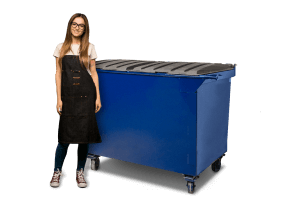
Capacity: about 30 large bags
Dimensions: 6' L x 3'6 W x 3'10 H
Ideal for businesses with up to 50 employees.
4 Yard Commercial Dumpster
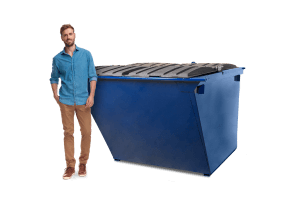
Capacity: about 40 large bags
Dimensions: 6' L x 4'2" W x 4' H
Best for mid-size restaurants.
6 Yard Commercial Dumpster

Capacity: about 60 large bags
Dimensions: 6' L x 5'8" W x 4'6" H
Great for mid-to-large sized businesses.
8 Yard Commercial Dumpster
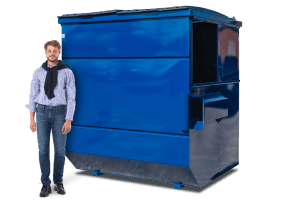
Capacity: about 80 large bags
Dimensions: 6' L x 6'10 W x 4'3" H
For large businesses with up to 500 employees.
Garbage Can Sizes
Our Residential Trash Cans
Available sizes may vary by location.


How to Use the Roll Off Container
During your dumpster rental, feel free to fill it with a wide range of items — everyday trash, office waste, or even larger debris from your latest renovation. This includes common things like paper, boxes, and household clutter, as well as the heavier stuff from construction sites such as broken concrete, wood, and old shingles. If you're cleaning up your yard, go ahead and toss in the grass clippings and branches too. Got some old appliances? You can get rid of those here, but there might be an extra charge for those.
It's important to follow certain steps to ensure safety and efficiency
- Preparing the Site: Clear the area where the dumpster will be placed. Check for overhead hazards like power lines or branches, and ensure the ground is level to prevent the dumpster from tipping.
- Loading the Dumpster: Do not overload; keep debris level with the top of the container. Distribute weight evenly and avoid disposing of prohibited items.
- Safety Measures: Wear protective gear and lift properly to avoid injury.
Following these steps will help ensure that you use the roll-off container safely and in compliance with local laws and regulations.


What will be the process of
dumpster delivery and pick up?
It is simple as 1,2,3
Your picked date
Fill your Dumper
We’ll pick it up
How to choose right size cheap roll-off garbage dumpster rental
Choosing the right dumpster involves considering several factors to ensure it meets your
specific needs. Here are some key steps to help you make an informed decision:
DETERMINING THE TYPE OF WASTE
SELECT THE RIGHT SIZE FROM ABOVE
CONSIDER WEIGHT LIMITS OF DUMPERS
UNDERSTAND THE RENTAL PERIOD
AVAILABILITY AND DELIVERY OPTION
REVIEW SERVICE AND PRICING
HAVE A CLEAN ROUTINE AHEAD
AVAILABILITY AND DELIVERY OPTION
Review Pricing ,
Additional Fees:
Understand the pricing structure of the dumpster rental, including the base rental fee, delivery charges, and any potential additional fees. Inquire about charges for exceeding weight limits, extending rental periods, or other circumstances that may incur extra costs.
Determine the Type
and Amount of Waste:
Identify the type of waste you'll be disposing of. Different dumpsters are designed for various materials, such as general household waste, construction debris, yard waste, or hazardous materials. Additionally, estimate the volume of waste you'll generate to choose an appropriately sized dumpster.
Select the Right Size:
Dumpster sizes are typically measured in cubic yards. Common sizes range from 10 to 40 cubic yards. Consider the amount of waste you have and choose a size that provides enough capacity without being too large. Keep in mind that overloading a dumpster may result in additional charges.
Consider Weight Limits:
Be aware of weight restrictions associated with the dumpster size you choose. Exceeding weight limits may lead to additional fees. If you're disposing of heavy materials like concrete or roofing shingles, opt for a dumpster with a higher weight capacity.
Understand Rental Periods:
Determine how long you'll need the dumpster. Dumpster rental companies typically offer various rental periods, such as a few days to a few weeks. Clarify the rental duration and inquire about any additional charges for exceeding the agreed-upon timeframe.
Check for Availability and Delivery Options
Confirm the availability of the dumpster size you need with our Dumpster company. Discuss delivery options and schedule the delivery at a time convenient for you.
Is there anything I can't put in the garbage dumpster ?
The specific regulations regarding what you can and cannot put in a dumpster can vary depending on your location, as local waste management and environmental agencies may have different rules and restrictions. However, there are some common items that are generally prohibited from being disposed of in dumpsters or regular household waste. These may include
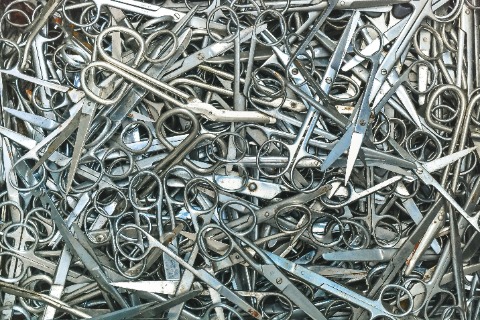
Medical Waste
Items like syringes and needles, classified as medical waste, demand careful disposal according to specific guidelines
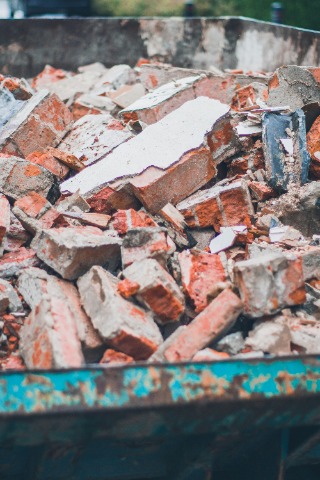
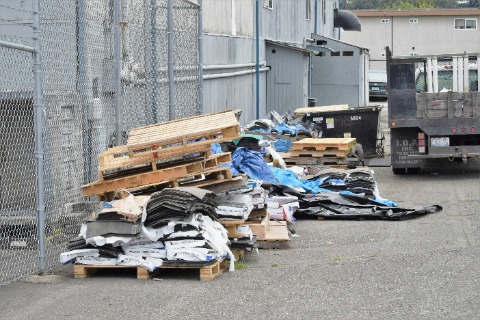
Construction Debris
Huge amounts of construction debris, concrete, drywall, roofing materials, may have specific disposal regulations.

Tires
Most areas do not allow the disposal of tires in regular dumpsters. Tires should taken to facilities specifically for tire disposal.
Appliances
Large appliances such as refrigerators, air conditioners, and washing machines
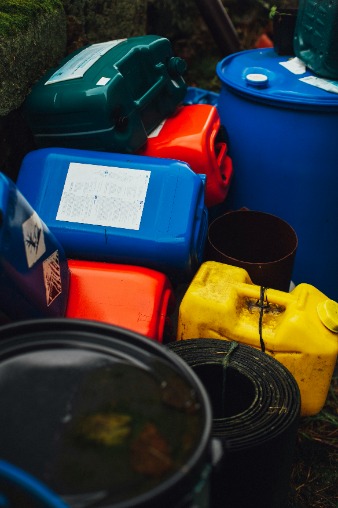
Hazardous Waste
Materials like paint, batteries, chemicals, and electronic waste fall into the category of hazardous waste.
Can a person push a dumpster?
Dumpsters are heavy and typically not designed to be pushed by a person manually.
They are large, metal containers designed to hold significant amounts of waste, and their weight can vary depending on the size and the materials they contain.
The weight of a dumpster, especially when filled with debris, makes it challenging for a person to push or move it without proper equipment. Dumpsters are usually moved and placed using specialised trucks equipped with hydraulic systems for lifting and transporting.
Attempting to push a dumpster manually can be dangerous, as it may lead to injuries or accidents. If you need to reposition a dumpster on your property, it's best to contact the dumpster rental company or waste management service. They will have the necessary equipment and expertise to handle the movement and placement of the dumpster safely.
Always prioritise safety and follow proper procedures when dealing with heavy equipment like dumpsters to avoid accidents and injuries.
How do I secure my roll-off garbage dumpster rental with a lock?
Locking a dumpster is a good idea to prevent unauthorized use or illegal dumping, especially if it's placed in a public area or you're concerned about others using it without your permission. Here are some common methods for locking a dumpster:
Padlocks
Chains
Integrated Locking
Cable Seals
Wheel Locks
Smart Locks
Padlocks:
Use a sturdy padlock to secure the dumpster. Place the padlock through the lock hasps or loops on the dumpster doors. This is a simple and effective method, and you can find padlocks with varying levels of security.
Bars or Chain:
Install locking bars or chains across the dumpster doors. These bars or chains can be secured with a padlock, preventing anyone from easily accessing the contents.
Integrated Locking:
Some dumpsters come with integrated locking systems designed to secure the doors automatically. These systems often require a key or a code for access, providing a convenient and built-in security solution.
Cable Seals:
Cable seals are another option for securing dumpsters. These are tamper-evident seals that can be threaded through the door handles or hasps and tightened to secure the doors.
Wheel Locks:
If your dumpster has wheels, consider wheel locks. These locks prevent the dumpster from being easily rolled away. Wheel locks are especially useful for stationary dumpsters on construction sites.
Smart Locks:
Explore smart lock options that may include electronic or digital locking systems. These locks can provide additional features such as remote access control and tracking.
What are the implications of extending the rental period for my garbage dumpster?
If you keep a dumpster longer than the agreed-upon rental period, you may incur additional charges or fees. We have specific terms outlined in the rental agreement, including the duration of the rental and any associated costs for exceeding that time frame. Here's what could happen:
Overage Charges:
Most dumpster rental agreements come with a specified rental period, such as a week or a month. If you exceed this period, you may be charged additional fees for each day or week that the dumpster is kept beyond the agreed-upon time.
Extension Fees:
Some companies offer the option to extend the rental period, but this often comes with an additional fee. If you know you'll need the dumpster for a longer duration, it's advisable to discuss potential extensions with the rental company in advance.
Pickup without Notice:
In some cases, if you keep the dumpster beyond the agreed-upon period without notifying the rental company or making arrangements for an extension, they may schedule a pickup without further notice. This can result in inconvenience if you still need the dumpster.
To avoid additional charges and ensure a smooth process, it's important to communicate with us, if you anticipate needing the dumpster for a longer period. Discuss the possibility of extending the rental and inquire about associated fees.
What is the difference between a roll-off dumpster and a bin ?
The terms "dumpster" and "bin" are often used interchangeably, but they can have different meanings depending on regional variations and context. However, there are some general distinctions that can be made:
DUMPSTER
BIN
In the United States, the term "dumpster" is commonly used to refer to a large, steel waste container with an open top. Dumpsters are typically emptied into a garbage truck using a hydraulic system. They come in various sizes, ranging from small residential dumpsters to large industrial ones. Dumpsters may have swinging doors on one end to facilitate easy loading.
BIN
In many English-speaking countries, including the United Kingdom and Australia, the term "bin" is more commonly used to describe a container for waste. Bins can vary in size and design. While the term "bin" is broad and can refer to any type of waste container, it is often associated with smaller, household-sized containers. Bins can have lids and are commonly used for curbside collection or in public spaces.
How much does a dumpster rental cost ?
The cost of a dumpster rental can vary widely based on several factors. Some of the key factors influencing dumpster rental costs include:
Size of the Dumpster:
Larger dumpsters generally have higher rental costs than smaller ones. Dumpster sizes are measured in cubic yards, and common sizes range from 10 to 40 cubic yards.
Type of Debris:
The type of waste you are disposing of can impact the cost. Certain types of waste, such as hazardous materials or electronics, may incur additional fees due to special handling requirements.
Rental Period:
The duration for which you need the dumpster can affect the cost. Our rental company offer various rental periods, and may charge additional fees for exceeding the agreed-upon time.
Location:
Generally, dumpster rental prices range from $300 to $600 for a standard 10-20 yard dumpster for a week-long rental. Larger dumpsters or longer rental periods will typically cost more. Factors such as local disposal fees, transportation costs, and regional market conditions can influence the overall price.
Additional Services:
Additional services, such as extending the rental period, requesting additional pickups, or exceeding weight limits, may incur extra charges.
Availability and Demand:
Dumpster rental prices can be influenced by factors like demand and availability. Prices may fluctuate based on the level of demand for dumpsters in your area.
How do you calculate dumpster?
Calculating the right size of a dumpster involves estimating the volume of waste you need to dispose of. Dumpster sizes are typically measured in cubic yards.
V = a3
{ a = Length of each edge or side }
GET YOUR FREE ESTIMATE NOW
How do I prepare my site for dumpster delivery ?
Preparing your site for dumpster delivery is crucial to ensure a smooth and safe process. Here's a step-by-step guide on how to prepare your site for a dumpster delivery:
Check Local Regulations:
Before scheduling a dumpster delivery, check local regulations and obtain any necessary permits. Some areas may have specific rules regarding the placement of dumpsters on private property.
Choose an Appropriate Location:
Select a suitable location for the dumpster. Ensure that the area is flat, stable, and can support the weight of the dumpster, especially if it will be placed on a driveway or paved surface. Consider accessibility for the delivery truck.
Clear the Area:
Remove any obstacles or debris from the chosen location. Clear the path leading to the drop-off site. This includes branches, rocks, or any other items that may obstruct the delivery.
Check Overhead Clearance:
Verify that there is enough overhead clearance for the delivery truck. Ensure there are no low-hanging branches, wires, or structures that could impede the placement of the dumpster.
Communicate with Us:
Coordinate with us, Provide clear instructions on where you want the dumpster placed and any specific requirements. Communicate potential challenges, such as tight spaces or obstacles.
Consider Surface Protection:
if the dumpster will be placed on a surface that you want to protect (e.g., a driveway), consider using plywood or boards to prevent damage. This is especially important if the dumpster has metal edges that could scratch or dent surfaces.
Ensure Adequate Space:
Ensure that there is enough space for the dumpster and that it won't obstruct traffic or create safety hazards. Consider the size of the dumpster in relation to the available space.
Mark the Delivery Spot:
If needed, mark the exact spot where you want the dumpster placed. This can be done using cones, markers, or any visible indicators to guide the delivery driver.
Be Present During Delivery:
If possible, be present at the site during the delivery to guide the driver and address any questions or concerns. This ensures that the dumpster is placed exactly where you want it.
What are Dumpsters actually called?
The term "dumpster" is a brand name that has become a genericized trademark. The original term was coined by the Dempster Brothers, who designed a specific type of waste container in the 1930s. The word "Dumpster" is a combination of "dump" (referring to a place for depositing waste) and the last name of the brothers, "Dempster."
Roll off Dumpster
While "Dumpster" is widely used colloquially to refer to large waste containers, the generic term for such containers is "roll-off container" or simply "roll-off." These containers have an open top and are typically delivered and picked up by special trucks equipped with a hydraulic system to roll the container on and off the truck bed.
So, when talking about the generic type of large waste container, you can refer to it as a "roll-off container" or simply as a "container" or "waste container." The term "dumpster" is often used informally and may vary in usage based on regional and local preferences.
What is the most common dumpster rental?
The most common dumpster rental size can vary depending on the type of project and the amount of waste generated. However, one of the most frequently rented dumpster sizes for residential and small to mid-sized projects is the 20-yard dumpster.
A 20-yard dumpster provides a good balance between capacity and maneuverability, making it versatile for a wide range of projects. It can hold approximately 20 cubic yards of waste, which is roughly equivalent to about 10 pickup truck loads of debris. This size is often suitable for projects such as home cleanouts, small renovations, garage or basement cleanouts, landscaping projects, and roofing repairs.
Frequently Ask Questions
General Questions
When should I have my dumpster delivered ?
We recommend having your dumpster delivered at least one day before you plan to start your project. This ensures that you have the dumpster ready when you need it. For larger projects or during busy seasons, consider scheduling a few days in advance to guarantee availability. We strive to accommodate your schedule and provide prompt delivery to keep your project on track.
Do you offer same day dumpster delivery ?
Absolutely! We do offer same-day dumpster delivery. Just give us a call, and we'll do our best to get a dumpster out to you as quickly as possible. We understand that sometimes you need a dumpster at short notice, and we're here to help make that happen for you. Just let us know what you need, and we'll take care of the rest!
Do you service ?
Yes, we certainly do service ! we have a wide network of partners across the United States, enabling us to offer our dumpster rental services nationwide. No matter where you're located, we've got you covered. Just let us know your specific location, and we'll arrange the most convenient dumpster rental service for you. We're here to make your waste management process as smooth and hassle-free as possible!
What is the most common dumpster rental ?
The most common dumpster rental we see that typically the 20-yard roll-off dumpster. It's a great middle-ground size that works well for a variety of projects, from home cleanouts to moderate construction work. This size is large enough to handle a significant amount of waste, yet it's still compact enough to fit comfortably in most driveways or job sites. It's our go-to recommendation for customers who need a versatile, efficient waste disposal solution!
What is a dumpster rental company?
A dumpster rental company is a business that provides temporary waste disposal solutions for a variety of clients and projects. These companies offer dumpsters of various sizes for rent, which customers can use to collect and dispose of large amounts of waste and debris.
Typically, a dumpster rental company caters to a wide range of needs, including residential cleanouts, construction debris removal, home renovation projects, commercial waste management, and more. They deliver the dumpster to the customer's location, place it according to the customer's needs, and then pick it up at an agreed-upon time to dispose of the contents properly.
These companies often provide services like helping clients choose the right dumpster size for their project, advising on waste management regulations, and ensuring environmentally responsible disposal of the waste. They play a crucial role in managing waste efficiently and helping maintain cleanliness and environmental sustainability in both residential and commercial settings.
Who invented dumpsters?
The dumpster was invented by George Dempster, an American businessman and politician, in the 1930s. The invention of the dumpster came about as part of Dempster's efforts to improve efficiency in his family's construction business. He devised a system that would allow for the easy loading and unloading of waste materials using a mechanical system.
This innovation led to the creation of the Dempster-Dumpster system, which utilized large containers that could be loaded onto the back of a truck and then tilted to dump the contents at the waste disposal site. The term "dumpster," now commonly used to refer to large waste containers, originated from this system.
George Dempster's invention revolutionized waste management and disposal, making it more efficient and practical, especially in urban areas and large-scale construction projects. The concept has evolved over the years, but the basic principle remains a staple in waste management around the world.